Quick enquiry
 +43 5476 6226

According to oral tradition, three brothers came to Tyrol from Switzerland. One of them settled in Serfaus in the hamlet of St. Georgen and later moved to the hamlet of Madatschen.
As early as 1653, the Greiter family name is mentioned in the house and hearth register.
Our great-grandfather Franz Greiter was born in 1858 in Madatschen, but later moved to the village and subsequently to the hamlet of Serfauser Feld, as farming the fields there was easier for his wife Apollonia and the children. He himself had to work away from home at that time. Shortly after the turn of the century, the Greiter family acquired a barn and house on the square in the village.
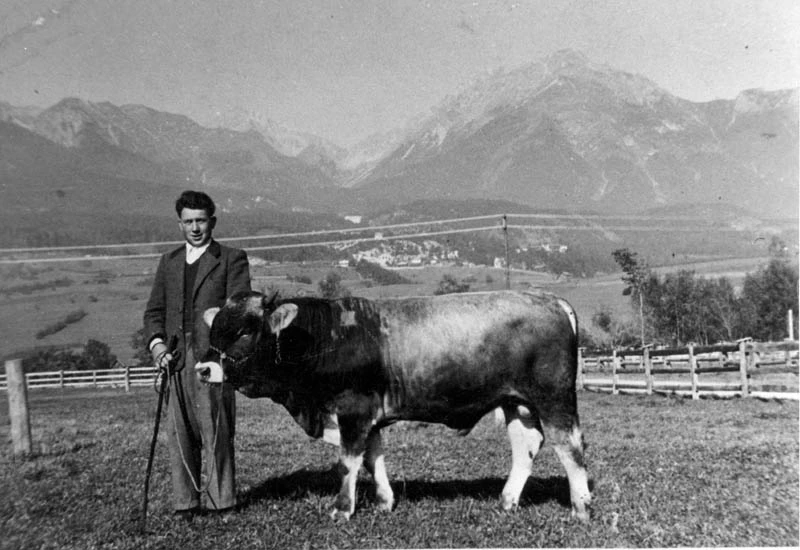
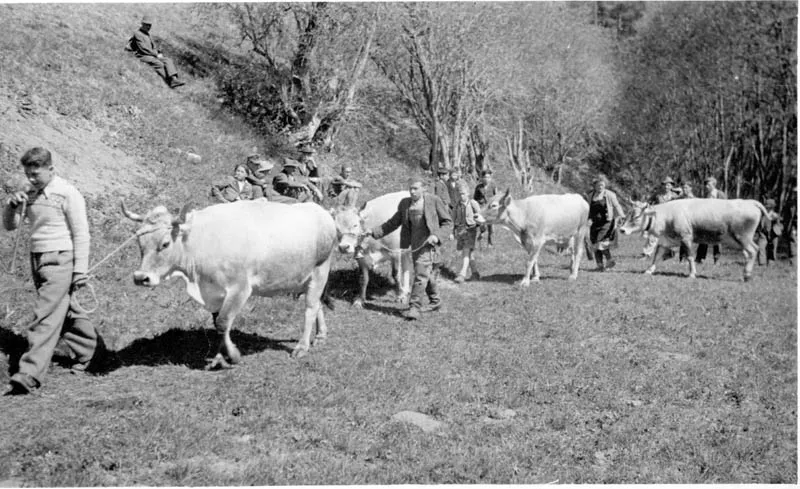
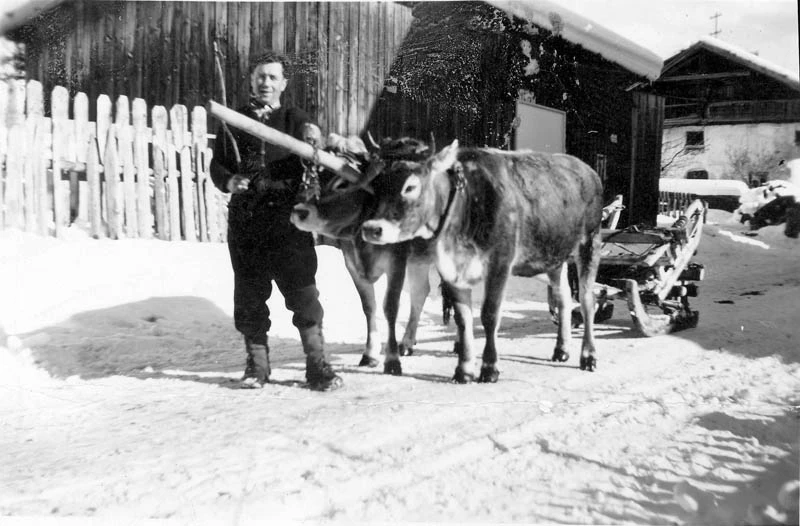
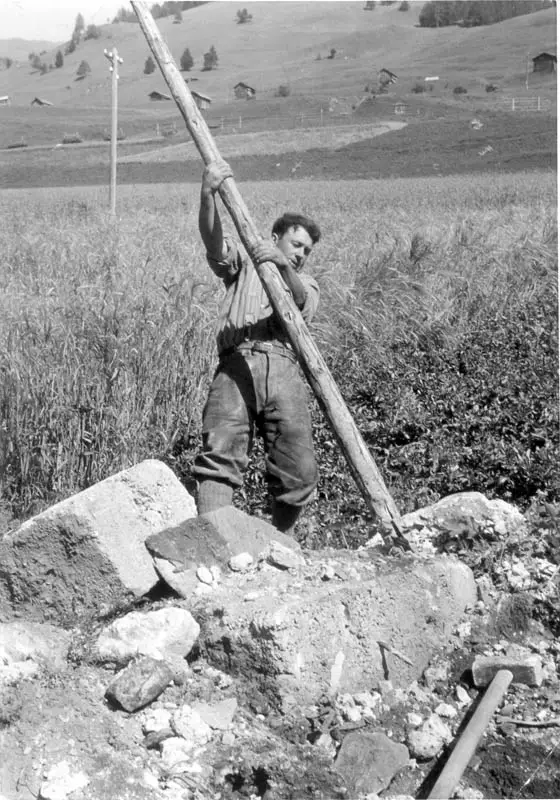
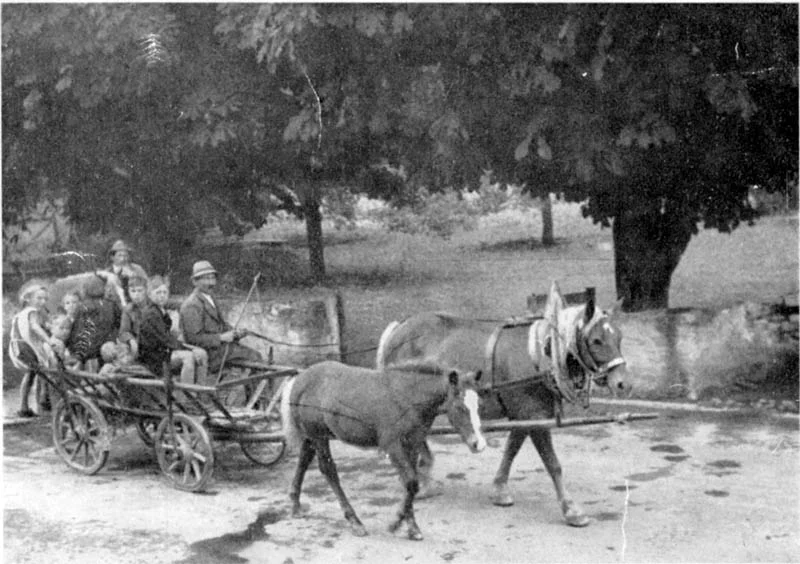
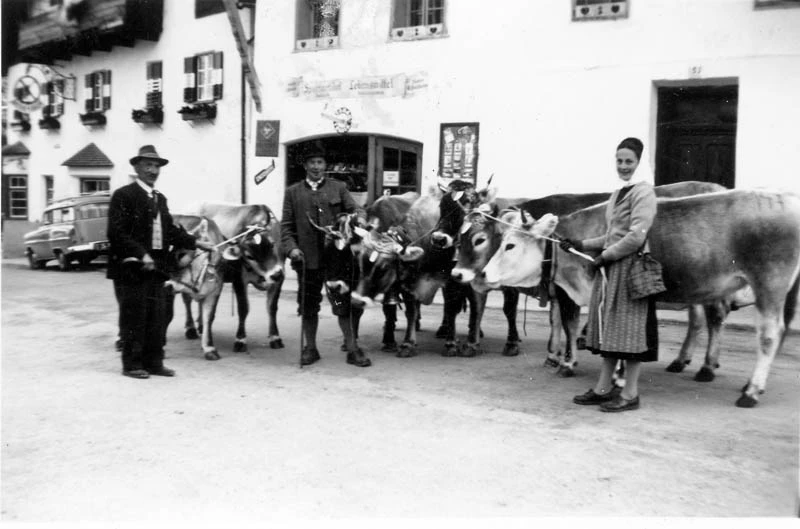
Grandfather Josef Greiter was born in 1893 and, like many children of Tyrolean mountain farmers, shared the fate of a Swabian child. At the age of 12, he had to go to Swabia from March to November to work as a farmhand. After returning from World War I, he took over part of his parents’ farm. There were about 4–5 cows, young cattle, and oxen in the barn—a total of 10–15 animals. Crop farming also played a significant role in providing food for the family.
Josef married Adelheid Illmer from Fiss in 1927. Already at that time, the first four rooms in the existing farmhouse were adapted for renting to guests.
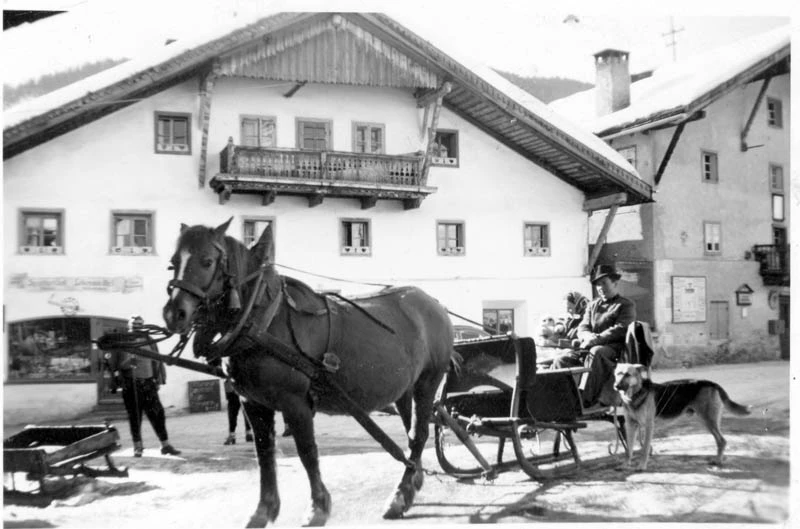
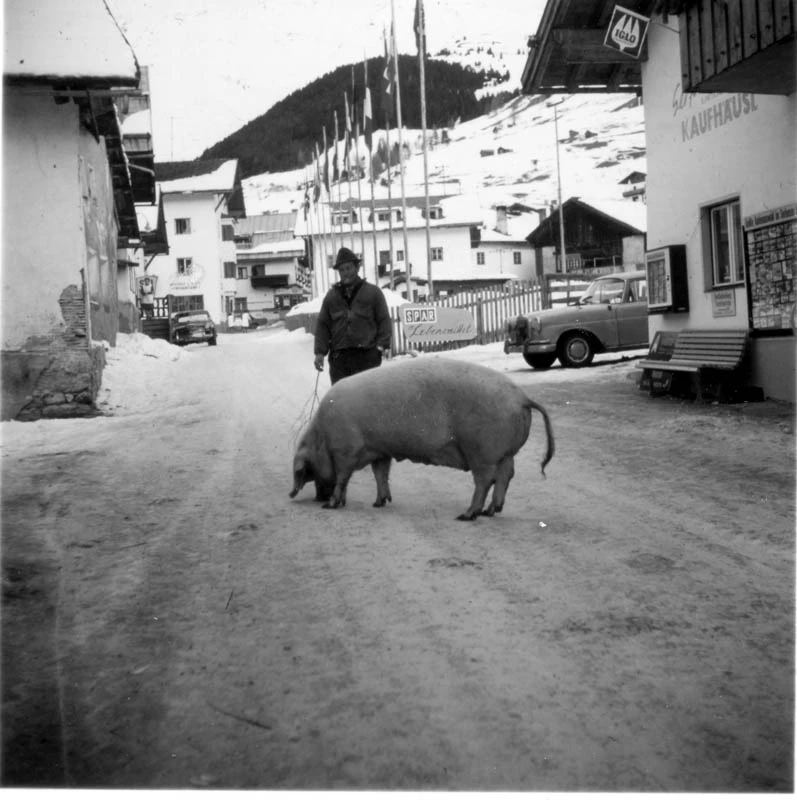
Around 1930, a small general store was set up on the ground floor.
In 1952/53, Josef and his son Franz Greiter built the guesthouse "Haus Greiter".
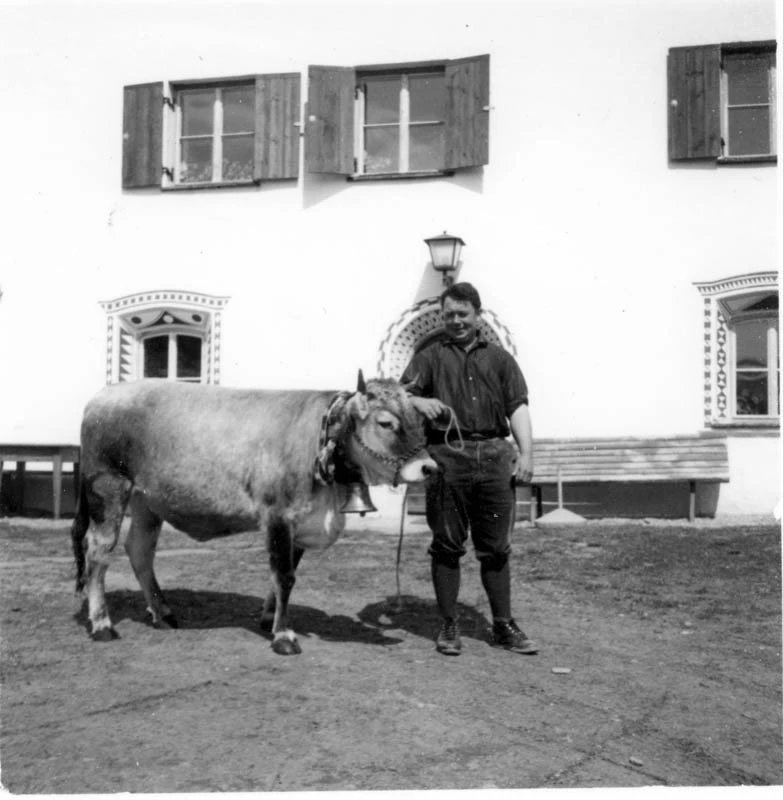
Josef and Franz Greiter were also cattle dealers – some of the cattle were purchased on the alpine pastures and then resold at the numerous markets. Their trading activities were conducted almost exclusively on foot, and later by bicycle and then by car.
In the years 1962 and 1963, Franz Greiter and his wife Annathres built the "Darrehof", a residential building with guest accommodations and a general store, as well as the barn building.
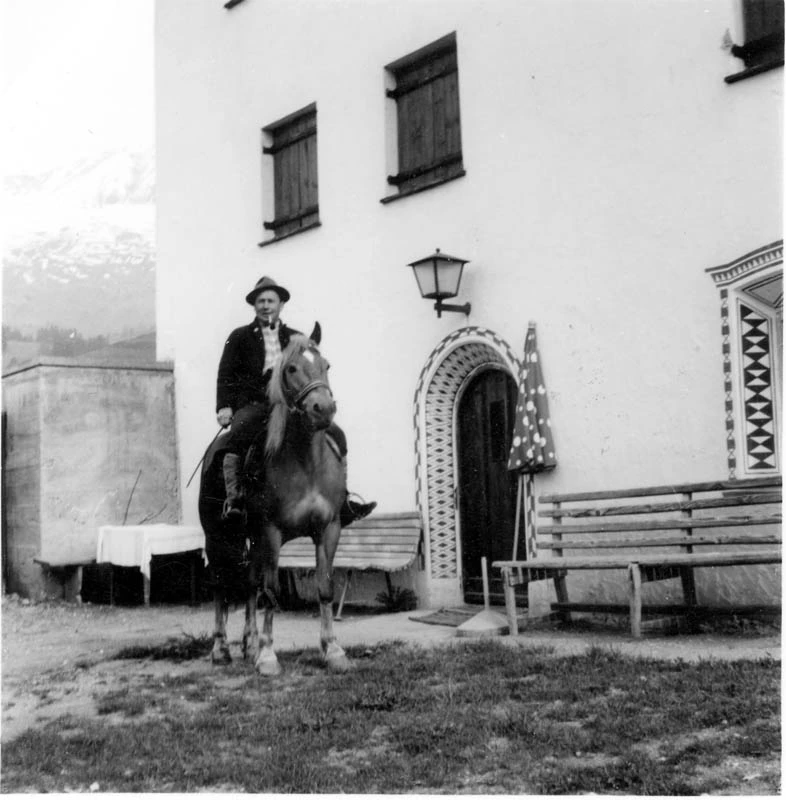
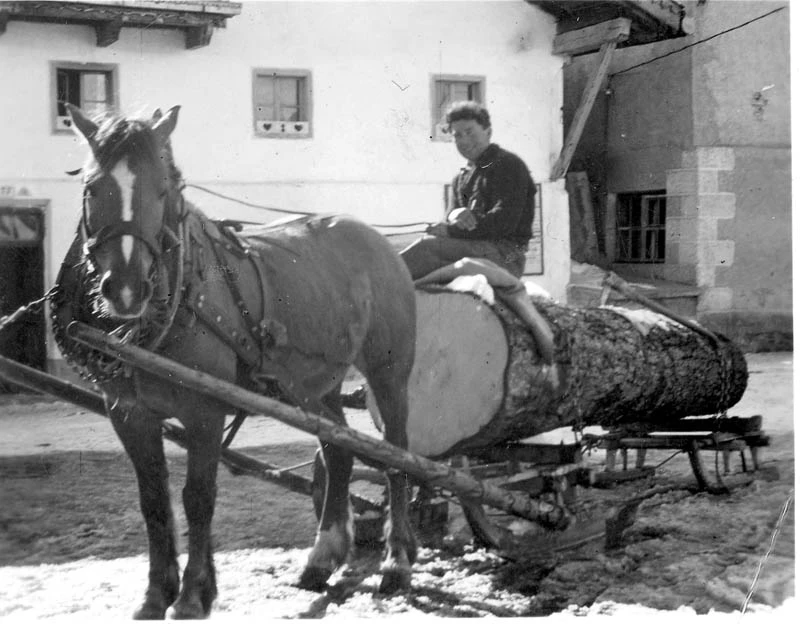
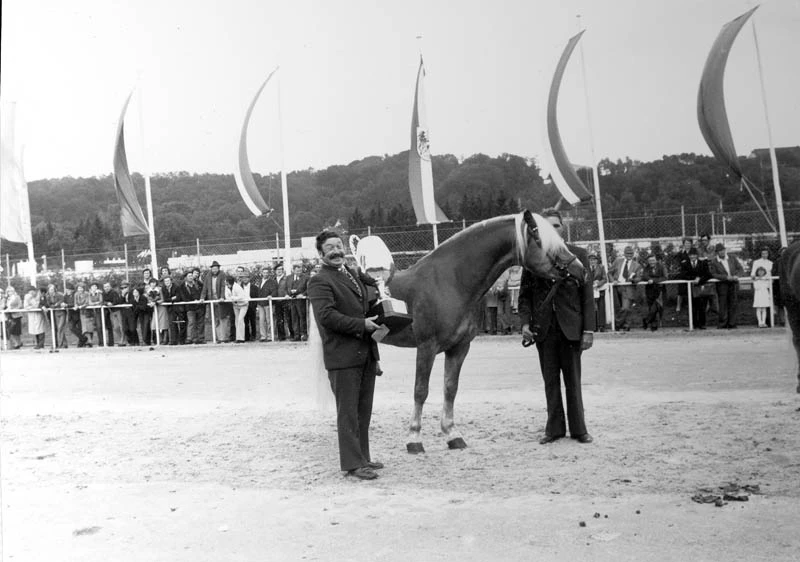
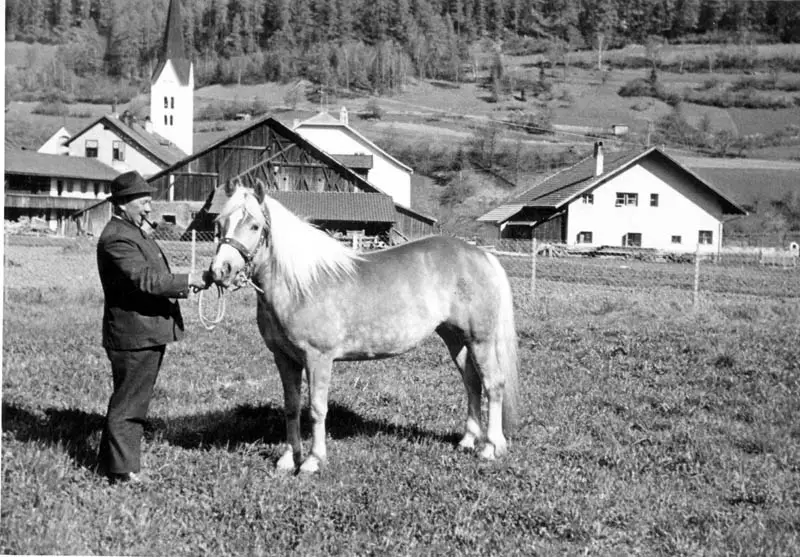
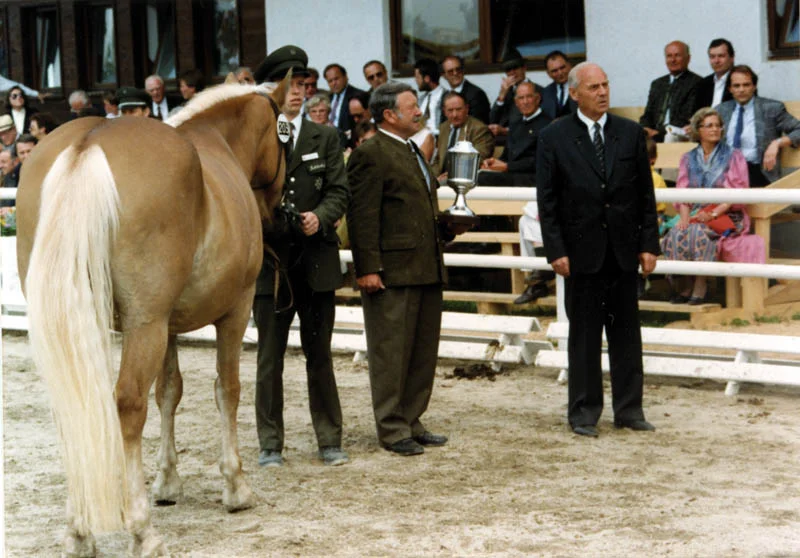
Agriculture has changed significantly over the past 50 years; specialization was essential. Arable farming was abandoned; now there is only pure grassland farming. The mountain meadows without access roads are now grazed, the animals are sold directly from the farm or at auctions, and our operation is increasingly dedicated to Haflinger breeding.
To enable modern, horse-friendly animal husbandry, the stable building was vacated from its old location in 2004 and relocated to the outskirts of town. In 2009, the farm was expanded to include an indoor riding arena. Today, our farm is one of the largest working farms in Serfaus.
We farm 19 hectares of grassland using organic methods, including twice-mowed meadows and once-mowed mountain pastures, some of which are still harvested with a great deal of manual labor. This allows us to produce all the roughage for our animals ourselves.
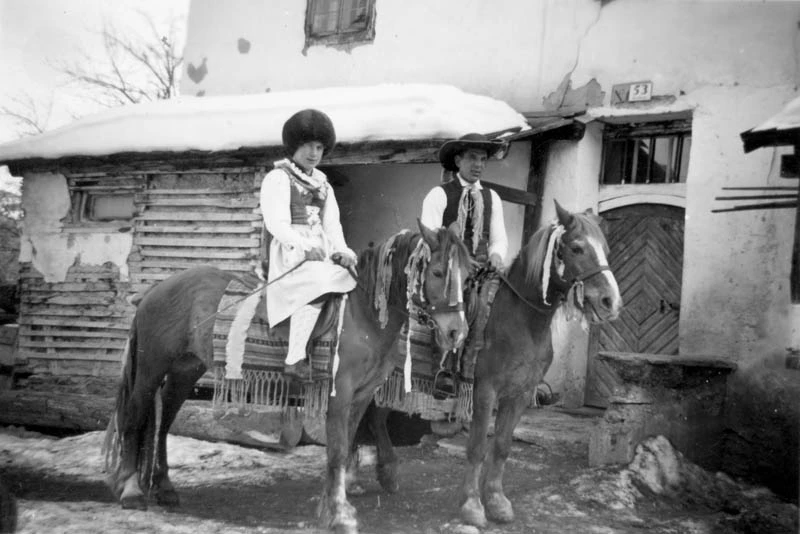
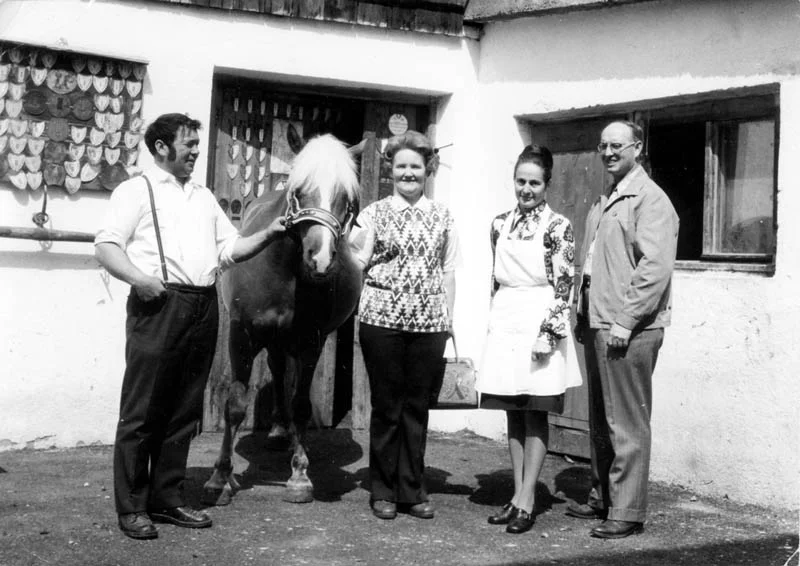
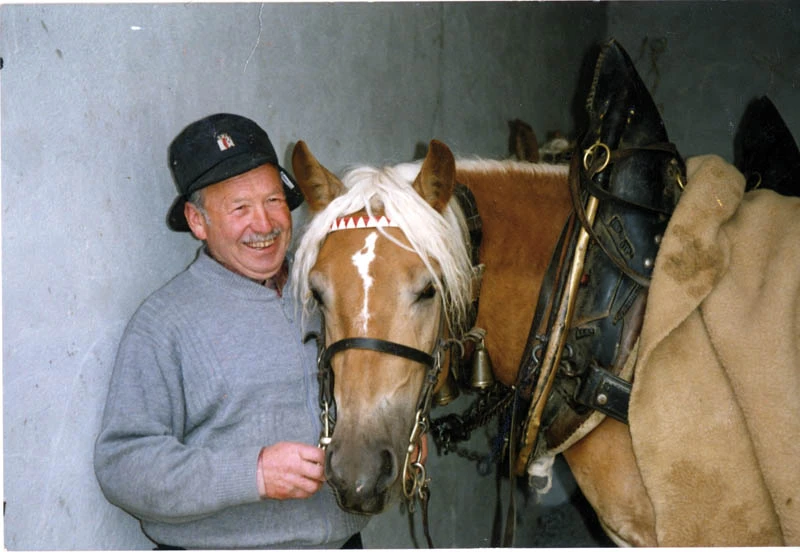
The focus of our animal husbandry is on Haflinger breeding and riding horse management. Many of the Haflingers used in the riding operation come from our own breeding program. The stable houses Haflingers and riding ponies. Llamas and a few Tyrolean mountain sheep serve as "landscape caretakers" for hard-to-reach meadows. Various petting animals bring our vacation guests much joy and also require year-round feeding and care.